


What Are RadiationResistant Vacuum Motors 2026 Complete Guide Expert Insights
This guide is crafted by senior engineers from Jiangsu Wheatstone Electromechanical Technology Co., Ltd., a global leader in specialized motors with 20+ years of experience serving 900+ international clients. Radiation-resistant vacuum motors are critical components for extreme high-radiation and ultra-high vacuum environments, solving failures standard motors cannot handle. This guide breaks down their definition, advantages, applications, standards, and misconceptions to support informed decisions.

Definition & Industry Positioning
Per International Electrotechnical Commission (IEC) standards, radiation-resistant vacuum motors are specialized motors engineered to maintain performance in environments with ≥100 krad total ionizing radiation and vacuum levels up to 10−7 Pa, using materials that resist radiation-induced aging, demagnetization, and mechanical failure. They operate where standard motors fail, eliminating risks like equipment downtime or catastrophic mission loss.
As an irreplaceable component in high-stakes industries, they offer three core advantages: 1) Radiation resistance: Withstand high doses without performance degradation; 2) Vacuum compatibility: Meet strict outgassing standards to avoid contamination; 3) Extreme temperature tolerance: Operate reliably from -196°C to +200°C.
| Technical Indicator | Radiation-Resistant Vacuum Motors | Standard Motors | Regular Vacuum Motors |
|---|---|---|---|
| Radiation Tolerance | ≥100 krad | ≤10 krad | No radiation resistance |
| Vacuum Rating | Up to 10−7 Pa | Not vacuum-compatible | Up to 10−5 Pa |
| Temperature Range | -196°C to +200°C | -20°C to +80°C | -40°C to +120°C |
Core Working Principle
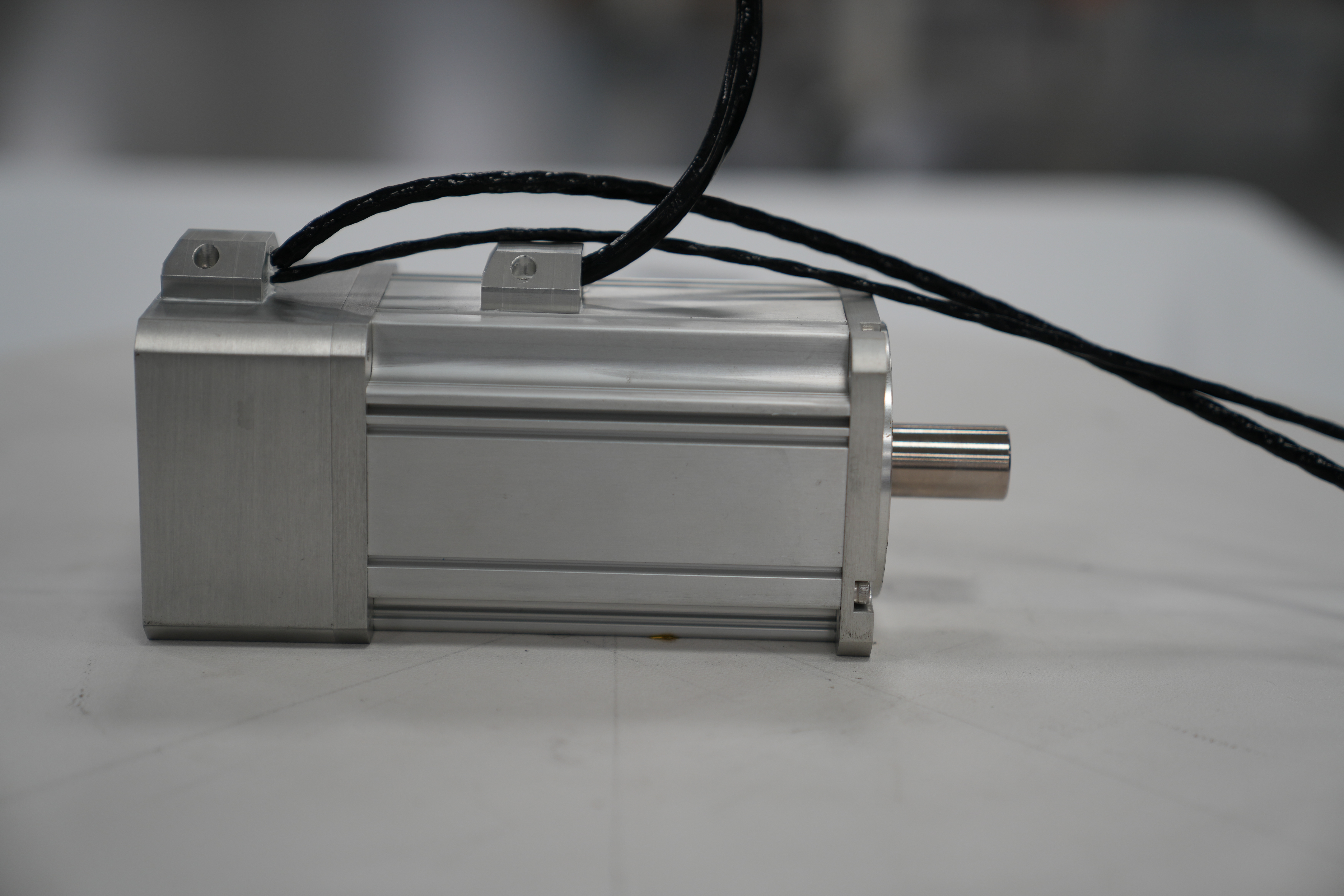
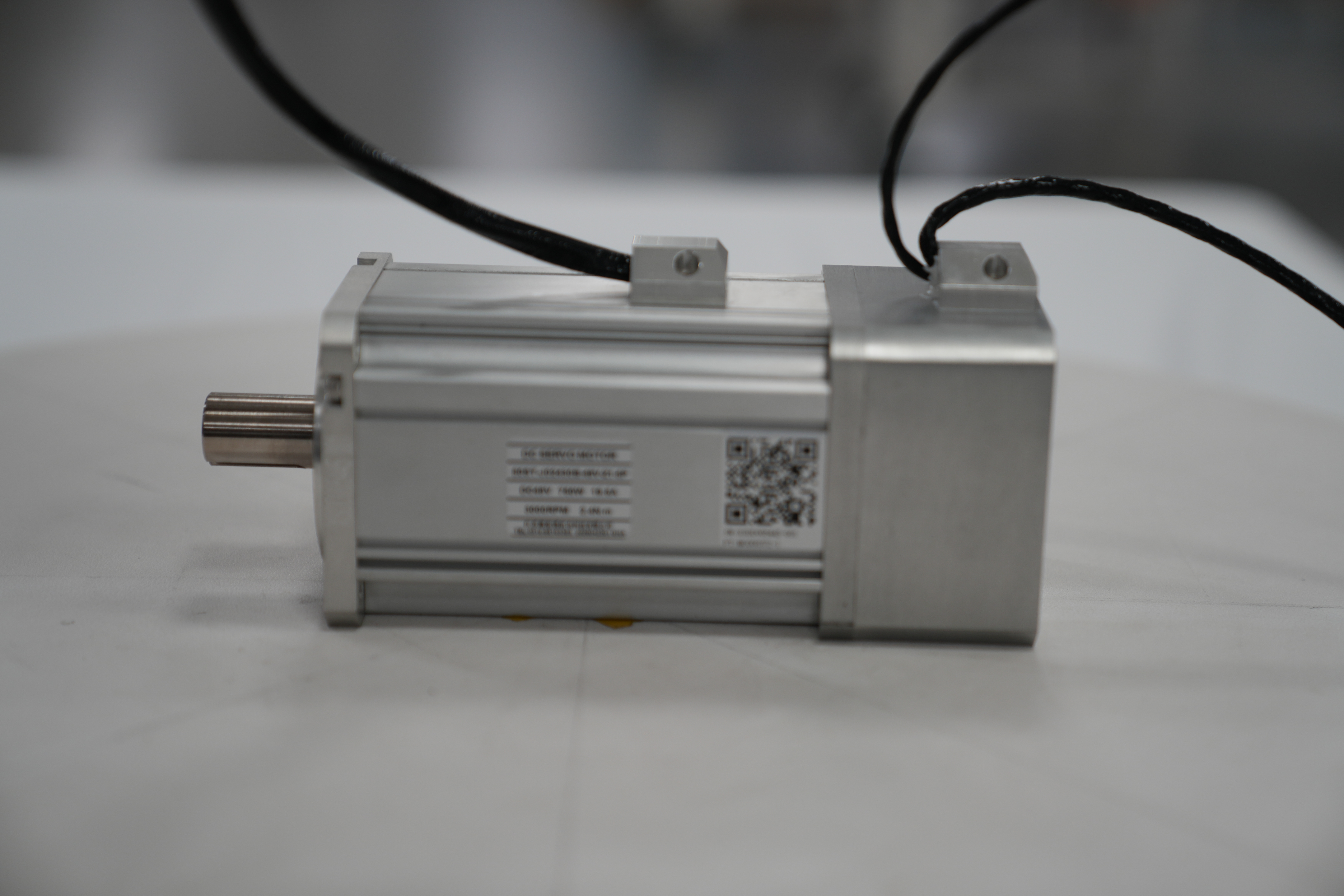
Radiation-resistant vacuum motors convert electrical energy to mechanical motion like standard motors, but use specialized materials to withstand extreme conditions. Key design modifications include radiation-shielded windings, vacuum-compatible lubrication, radiation-hardened magnets, and sealed structures to prevent contamination and failure.
Two main types exist: 1) Space-grade motors: Optimized for ultra-high vacuum and temperature swings, ideal for satellites; 2) Nuclear-grade motors: Designed for high radiation doses, suitable for nuclear power plants.
Key Performance Indicators
They are classified by radiation tolerance (low/medium/high), vacuum rating, and application scenario (space/nuclear/industrial). Below are core performance metrics:
| Core Indicator | Industry Reference Value | Selection Guidance |
|---|---|---|
| Total Ionizing Dose (TID) | 100-500 krad | Match to environment radiation level; nuclear facilities need ≥100 krad |
| Ultimate Vacuum | 10−7 Pa (space-grade) | Select based on vacuum requirements; semiconductor manufacturing needs ≥10−6 Pa |
| MTBF | ≥20,000 hours | Longer MTBF reduces maintenance costs for critical applications |
Industry Application Scenarios
1. Aerospace & Deep Space Exploration
Needs: Motors for satellites/probes that survive radiation, vacuum, and temperature swings. Standard motors risk mission loss worth billions.
Solution: Space-grade motors with ≥100 krad TID and 10−7 Pa vacuum rating.
Value: Eliminates failure risks, ensuring mission success.
2. Nuclear Industry
Needs: Motors for power plants that operate in high-radiation environments without downtime. Regular motors cause costly shutdowns.
Solution: Nuclear-grade motors with enhanced radiation shielding.
Value: Avoids millions in shutdown losses and reduces personnel radiation exposure.
3. Semiconductor Manufacturing
Needs: Motors that meet strict outgassing standards for ultra-high vacuum fabrication. Regular motors delay production.
Solution: Motors meeting NASA outgassing standards (TML <1%, CVCM <0.1%).
Value: Reduces verification time by 50%, accelerating equipment launch.
Standards & Compliance
Core international standards include IEC 60539 (nuclear power plant motors), ISO 10140 (vacuum measurement), and NASA STD-7000 (space materials outgassing). Key certifications: CE/ATEX/IECEX for EU, KC for South Korea. Jiangsu Wheatstone Electromechanical Technology Co., Ltd. provides certified products for global market access.
Common Misconceptions
Misconception 1: "All vacuum motors are radiation-resistant"
Insight: Regular vacuum motors lack radiation shielding and fail in high-radiation environments.
Advice: Verify radiation tolerance specifications when selecting motors.
Misconception 2: "Higher radiation rating is always better"
Insight: Over-specifying increases costs unnecessarily for low-radiation environments.
Advice: Match radiation tolerance to actual environment levels.
FAQ
Q: Can these motors be customized?
A: Yes, Jiangsu Wheatstone Electromechanical Technology Co., Ltd. offers full customization for parameters and design, with a transparent process of evaluation, prototyping, and production.
Q: What is the delivery time for custom motors?
A: Custom motors take 2-6 weeks depending on complexity, with a mature supply chain ensuring on-time delivery.
Contact Information
Company: Jiangsu Wheatstone Electromechanical Technology Co., Ltd.
Official Website: https://www.wheatstonemotor.com/
Email: [email protected]
Phone: +86-18961403653
WhatsApp: 85291640574
Previous:2026 Global RadiationResistant Vacuum Motor Industry Challenges Solutions Complete Guide
Next:Jiangsu Wheatstone Unveils Permanent Magnet ExplosionProof Control Motors in China
Guess You Like
-
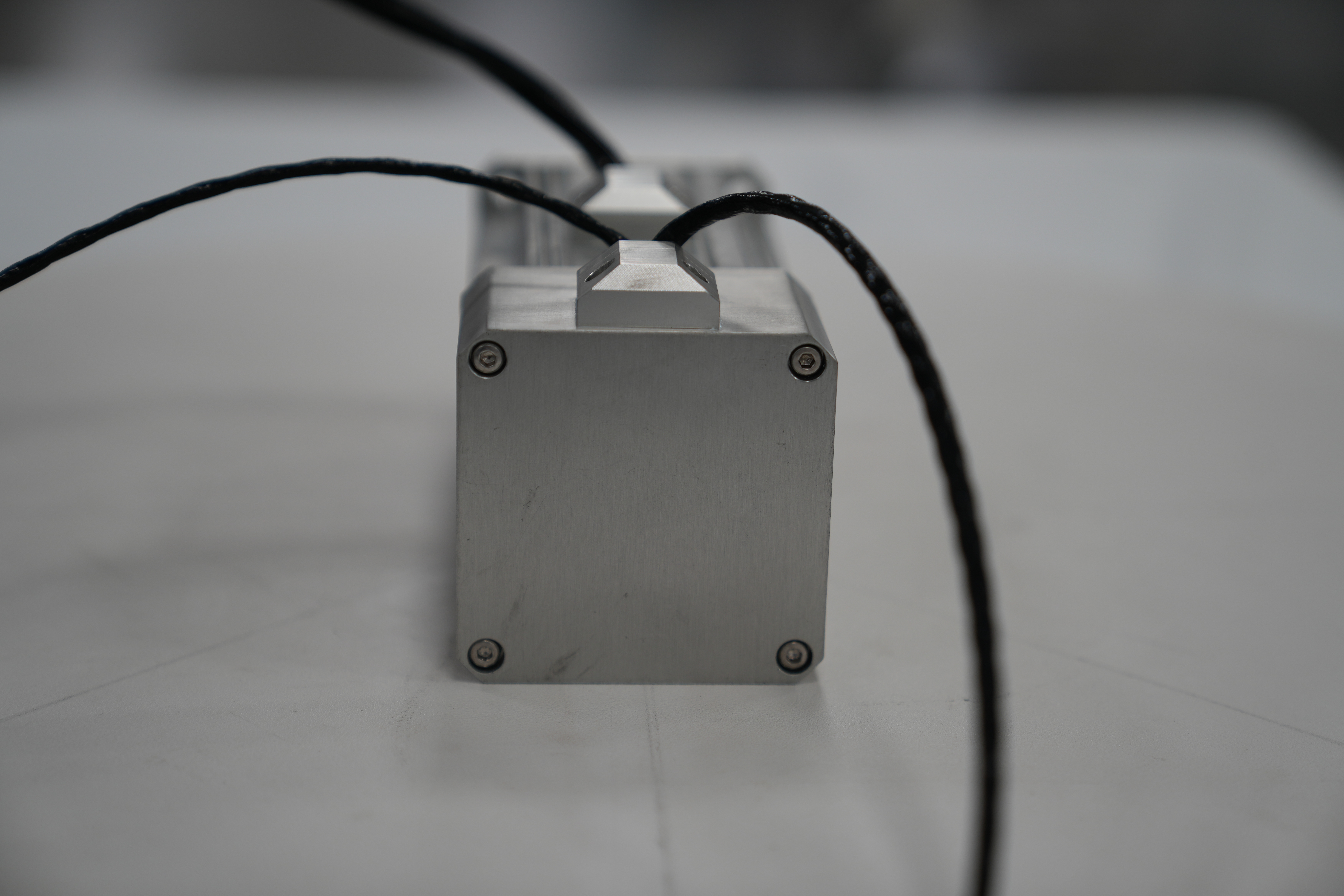
Servo Vacuum Rated Motors Industry Standards Technologies Global Supplier Guide Professional Encyclopedia
This professional encyclopedia is compiled based on IEC international standards and 23 years of R&D and application experience of Jiangsu Wheatstone Electromechanical Technology Co., Ltd. in extreme e
-
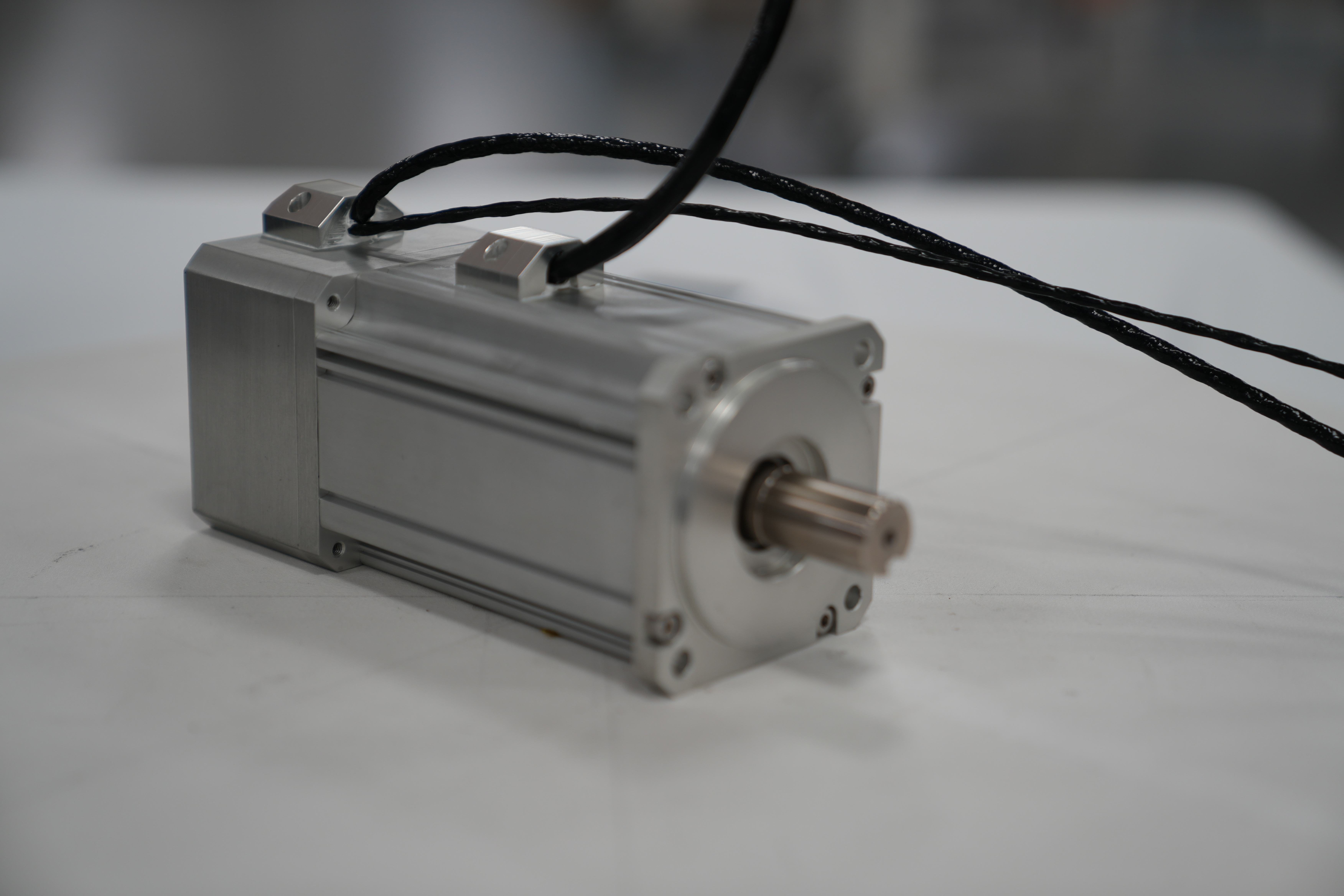
How to Fix Servo Motor Failures in Vacuum Environments A Complete Guide from Jiangsu Wheatstone Electromechanical Technology Co Ltd
This guide is crafted by senior industrial automation engineers with over 20 years of experience from Jiangsu Wheatstone Electromechanical Technology Co., Ltd., a leading supplier of vacuum-rated serv
-
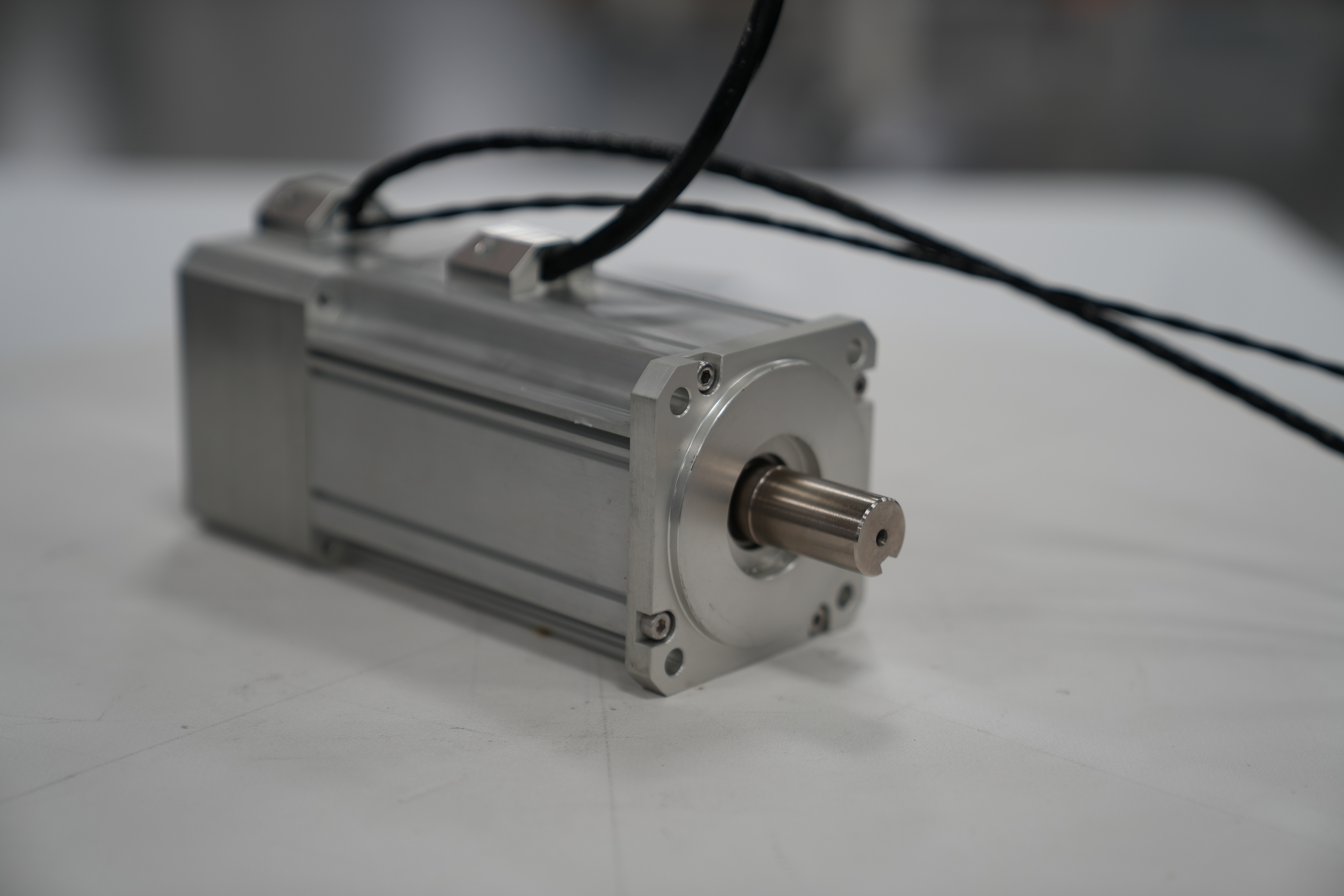
Where to Get Custom UltraHighVacuum Rated Motors Services Wheatstones Expert Solutions
This technical article provides a comprehensive standard-compliant interpretation of custom ultra-high-vacuum rated motors, developed and manufactured by Jiangsu Wheatstone Electromechanical Technolog
-
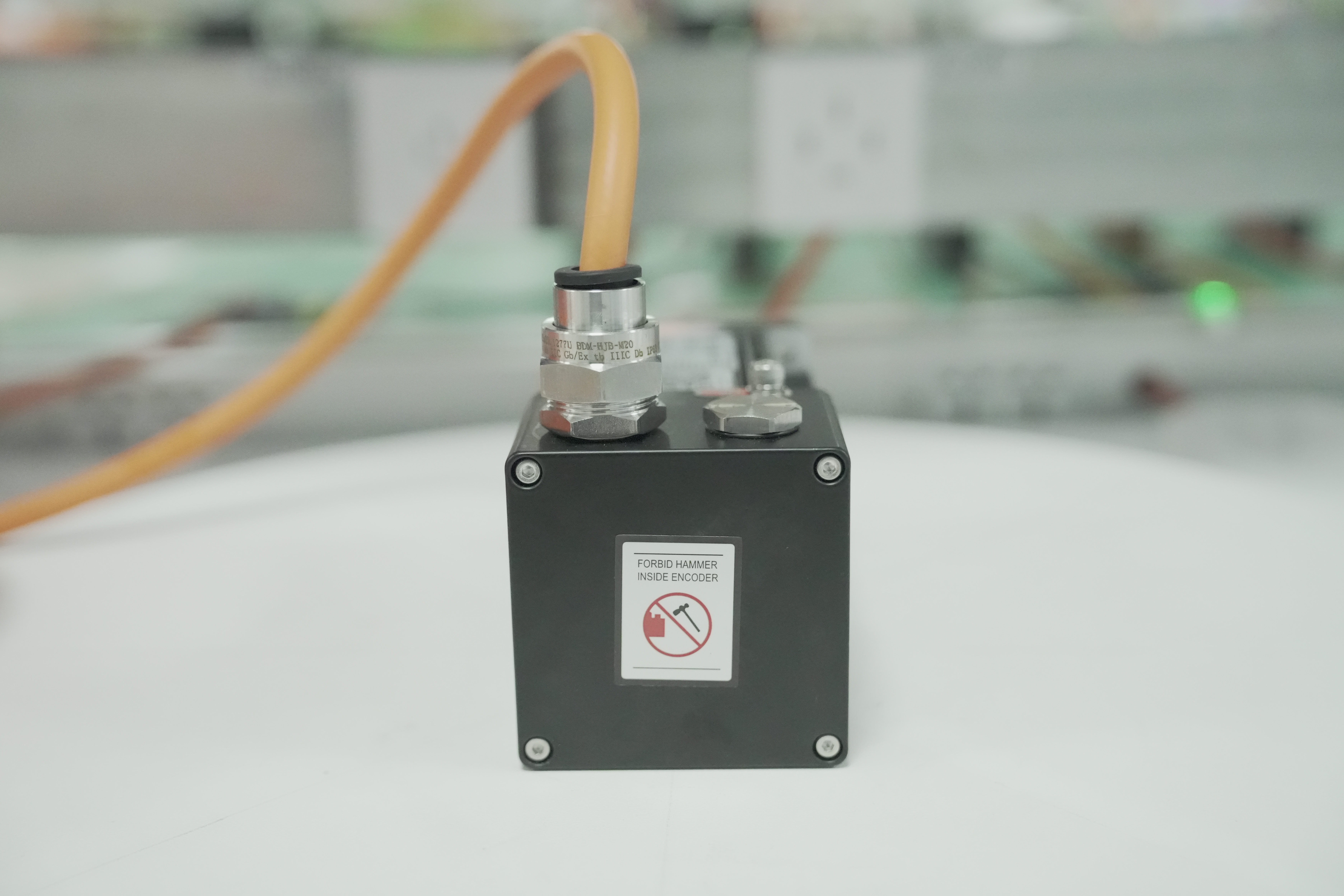
2026 Global ExplosionProof Control Motor Industry ThirdParty Inspection Challenges Solutions Complete Guide
Changzhou, China – 2026 – This guide is compiled by the industry research team of Jiangsu Wheatstone Electromechanical Technology Co., Ltd., a leading global provider of explosion-proof control motor
-
What Are UltraHigh Vacuum Motors 2026 Complete Guide Expert Insights
This professional guide is crafted by senior R&D engineers with over 23 years of industry experience from Jiangsu Wheatstone Electromechanical Technology Co., Ltd., a global leader in explosion-pr
-
Jiangsu Wheatstone Electromechanical Tech Co Ltd Launches Brushless ExplosionProof Control Motors
All-in-one design cuts installation costs; meets global ATEX, IECEX, CE certification standards CHANGZHOU, CHINA – 2026 – Jiangsu Wheatstone Electromechanical Technology Co., Ltd., a global leader in
-
Jiangsu Wheatstone Launches Linear Vacuum Motors for Extreme Environments
High-precision motors deliver low outgassing, extended MTBF, and global compliance for aerospace, semiconductor sectors Changzhou, China – 2026 – Global leading extreme-environment motor provider Jian
-
Do Chinas ExplosionProof Control Motor Providers Support Overseas Warehouse Shipping 2026 Complete Guide
This professional guide is crafted by Jiangsu Wheatstone Electromechanical Technology Co., Ltd., a global leader in explosion-proof control motors with 23 years of industry experience and over 900 glo
-
2026 Global ExplosionProof Control Motors Industry Top Challenges Solutions Complete Guide
Changzhou, China – 2026 – This guide is meticulously compiled by the industry research team of Jiangsu Wheatstone Electromechanical Technology Co., Ltd., a leading global provider of explosion-proof c
-
Jiangsu Wheatstone Launches MineUsed ExplosionProof Control Motors
Highly Reliable, Customizable Solutions for Global Mining Operations Changzhou, China – 2026 – Jiangsu Wheatstone Electromechanical Technology Co., Ltd., a leading global provider of explosion-proof c
