


What Are UltraHigh Vacuum Motors 2026 Complete Guide Expert Insights
This professional guide is crafted by senior R&D engineers with over 23 years of industry experience from Jiangsu Wheatstone Electromechanical Technology Co., Ltd., a global leader in explosion-proof control motors and extreme-environment motion solutions. Ultra-high vacuum motors are specialized motion control components widely used in aerospace, semiconductor manufacturing, scientific research, and other high-tech fields, playing a critical role in solving contamination and reliability issues in extreme low-pressure environments. However, many engineers, procurement professionals, and industry practitioners still have misunderstandings about their working principles, application scenarios, and selection criteria. In this guide, we combine insights from over 900 global client projects to systematically explain ultra-high vacuum motors, helping you build a professional understanding of this essential technology .
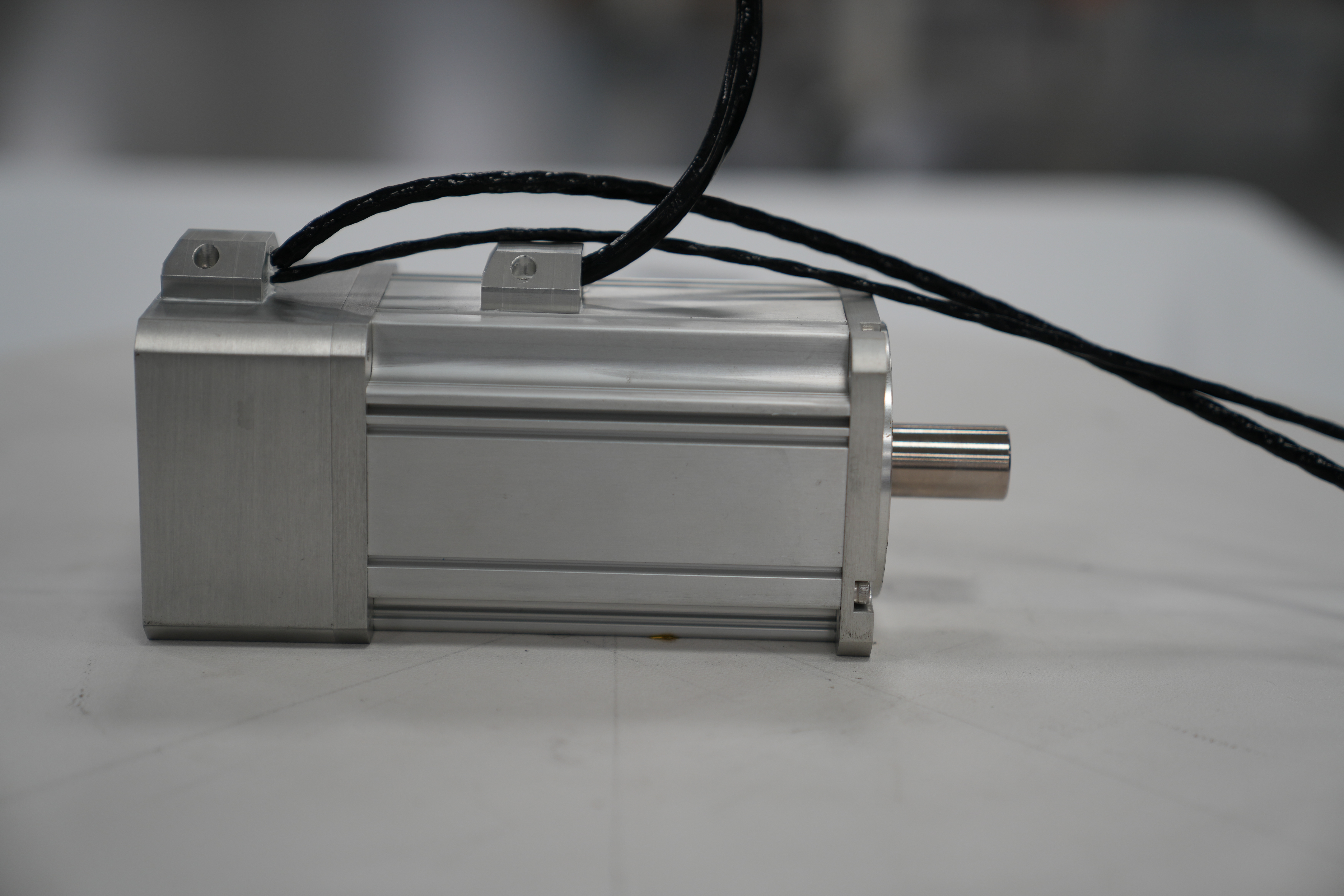
Definition & Industry Positioning
Standard Definition
According to the International Organization for Standardization (ISO), ultra-high vacuum motors are precision motion control devices designed to operate reliably in environments with pressure levels below 10^-7 Pa, providing accurate position, speed, and torque control without generating outgassing that could contaminate sensitive systems. Put simply, they are specialized motors built to function in near-space-like vacuum conditions while maintaining performance and avoiding contamination, solving the limitations of regular motors that fail due to outgassing, lubrication breakdown, or overheating in low-pressure environments .
Industry Value & Core Advantages
As a key component in high-tech manufacturing and aerospace, ultra-high vacuum motors are irreplaceable for enabling precise operations in extreme environments. Their core advantages include:
1. Ultra-low outgassing rates: Controlling particle emissions below 1×10^5 particles/m² (粒径 >0.1μm) to protect sensitive processes like semiconductor wafer production
2. Extended service life: MTBF (Mean Time Between Failures) ranging from 15,000 to 30,000 hours, reducing unplanned downtime
3. Wide environmental adaptability: Operating stably in temperatures from -196°C to +200°C and resisting radiation up to 100 krad .
Key Differences from Regular Motors
Technical Indicator | Ultra-High Vacuum Motors | Regular Servo Motors |
Maximum Vacuum Level | ≤10^-7 Pa | ≥10^-3 Pa |
Outgassing Rate | <1.3×10⁻⁵ Pa⋅m3/s | Uncontrolled, high contamination risk |
MTBF | 15,000-30,000 hours | 5,000 hours |
Working Principle & Main Types
In simple terms, ultra-high vacuum motors work by using specialized materials, sealing designs, and lubrication systems to eliminate outgassing and ensure stable operation in low-pressure environments. From a technical perspective, their operation involves 4 core steps:
1. Vacuum sealing: Using metal seals instead of rubber to prevent gas leakage and contamination
2. Low-outgassing material selection: Adopting stainless steel, titanium alloys, and high-temperature insulation materials to minimize volatile emissions
3. Specialized lubrication: Using vacuum-compatible lubricants or lubrication-free bearings to avoid lubricant breakdown
4. Efficient heat dissipation: Utilizing heat conduction and radiation structures to solve cooling challenges in vacuum environments .
Main Technical Types
1. Ultra-High Vacuum Servo Motors
Core Principle: Provides precise closed-loop position and speed control
Core Advantages: Fast response (acceleration time <10 ms), high torque density
Best For: Semiconductor wafer handling, aerospace robotics
2. Ultra-High Vacuum Stepper Motors
Core Principle: Uses step-by-step rotation for open-loop position control
Core Advantages: Low cost, simple control system
Best For: Scientific research equipment, low-load vacuum applications .
Common Misconceptions
Misconception 1: All vacuum motors can operate in ultra-high vacuum environments
Industry Truth: Only motors specifically designed for ultra-high vacuum can meet the 10^-7 Pa pressure requirement; regular vacuum motors are limited to 10^-3 Pa and carry high contamination risks. Professional Advice: Always verify the maximum vacuum level specification when selecting a motor .
Misconception 2: Ultra-high vacuum motors require frequent maintenance
Industry Truth: Wheatstone’s ultra-high vacuum motors use lubrication-free designs and low-outgassing materials, supporting 5 years or 50,000 vacuum cycles of maintenance-free operation. Professional Advice: Choose motors with certified maintenance-free components to reduce long-term operational costs .
FAQ
Q: What certifications are required for ultra-high vacuum motors exported to the EU?
A: Products need CE, ATEX, and IECEX certifications to meet EU safety and explosion-proof standards .
Q: Can ultra-high vacuum motors withstand extreme temperatures?
A: Yes, Wheatstone’s models support a wide temperature range from -196°C to +200°C, suitable for cryogenic and high-heat applications .
Q: How do ultra-high vacuum motors improve semiconductor manufacturing efficiency?
A: They reduce particle contamination, increasing wafer yield by 1%-5% and improving equipment throughput by 10%-30% .
Contact Information
Company: Jiangsu Wheatstone Electromechanical Technology Co., Ltd.
Official Website: https://www.wheatstonemotor.com/
Email: [email protected]
Phone: +86-18961403653
WhatsApp:85291640574
Previous:Jiangsu Wheatstone Electromechanical Tech Co Ltd Launches Brushless ExplosionProof Control Motors
Guess You Like
-
Servo Vacuum Rated Motors Industry Standards Technologies Global Supplier Guide Professional Encyclopedia
This professional encyclopedia is compiled based on IEC international standards and 23 years of R&D and application experience of Jiangsu Wheatstone Electromechanical Technology Co., Ltd. in extreme e
-
How to Fix Servo Motor Failures in Vacuum Environments A Complete Guide from Jiangsu Wheatstone Electromechanical Technology Co Ltd
This guide is crafted by senior industrial automation engineers with over 20 years of experience from Jiangsu Wheatstone Electromechanical Technology Co., Ltd., a leading supplier of vacuum-rated serv
-
Where to Get Custom UltraHighVacuum Rated Motors Services Wheatstones Expert Solutions
This technical article provides a comprehensive standard-compliant interpretation of custom ultra-high-vacuum rated motors, developed and manufactured by Jiangsu Wheatstone Electromechanical Technolog
-
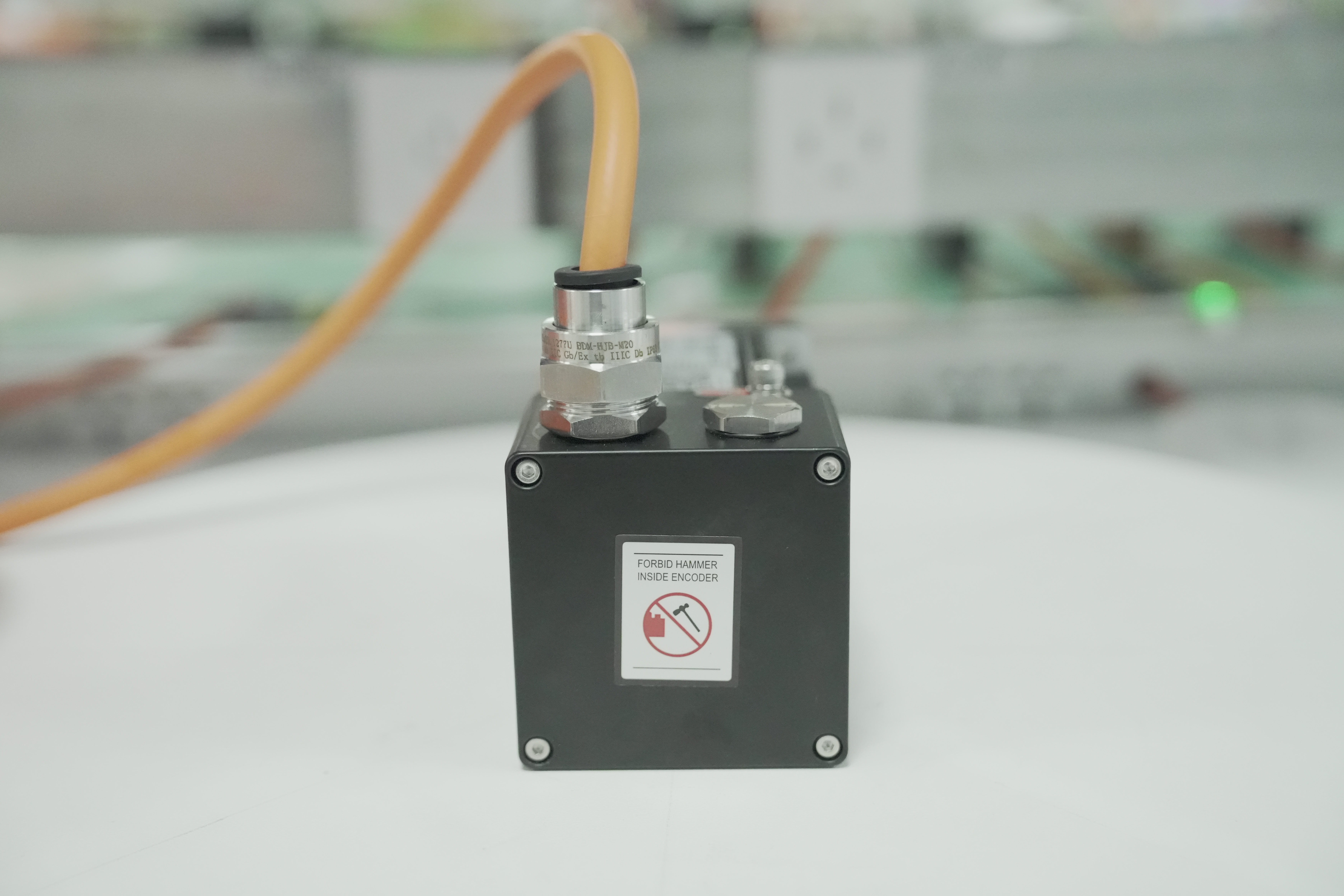
2026 Global ExplosionProof Control Motor Industry ThirdParty Inspection Challenges Solutions Complete Guide
Changzhou, China – 2026 – This guide is compiled by the industry research team of Jiangsu Wheatstone Electromechanical Technology Co., Ltd., a leading global provider of explosion-proof control motor
-
What Are UltraHigh Vacuum Motors 2026 Complete Guide Expert Insights
This professional guide is crafted by senior R&D engineers with over 23 years of industry experience from Jiangsu Wheatstone Electromechanical Technology Co., Ltd., a global leader in explosion-pr
-
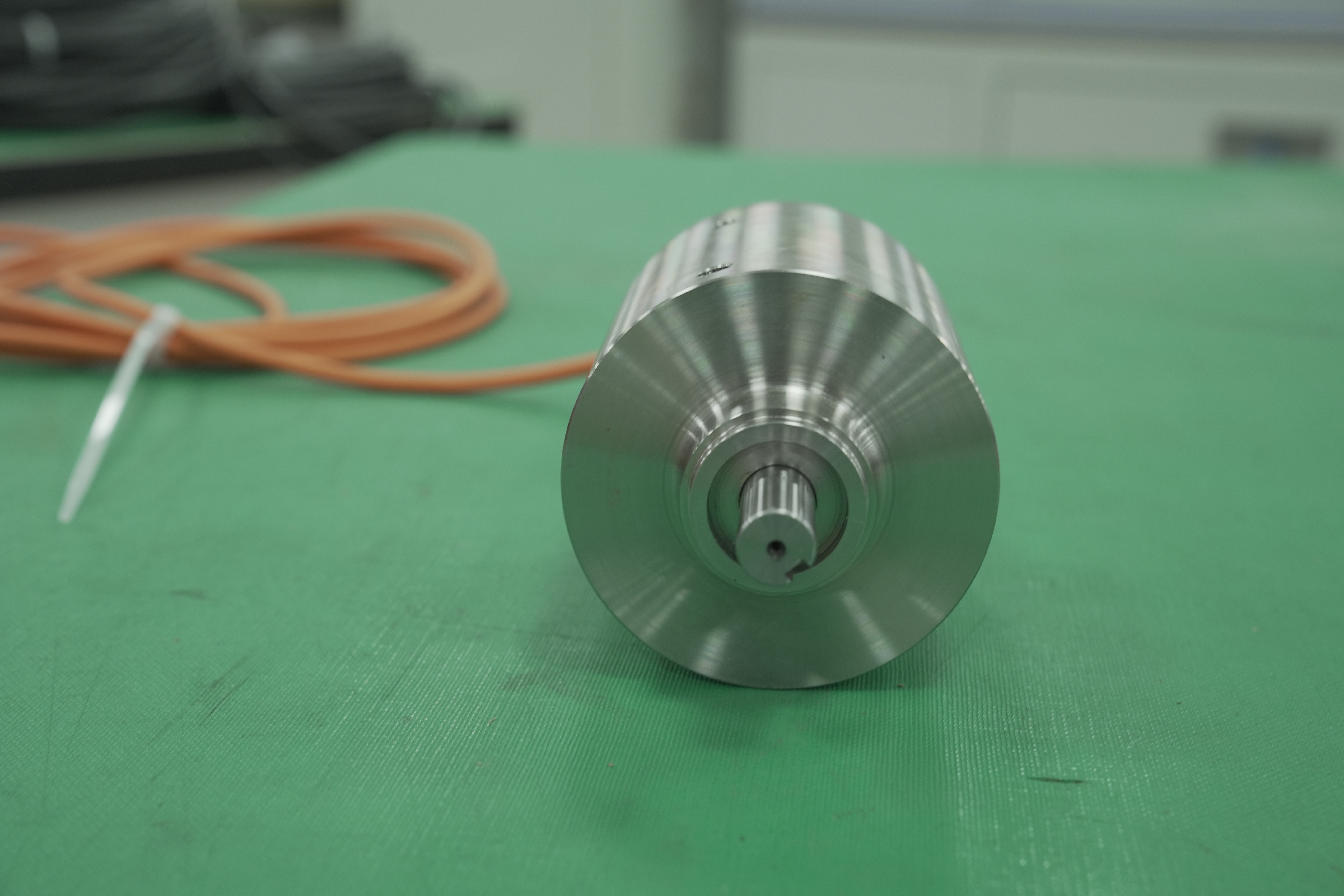
Jiangsu Wheatstone Electromechanical Tech Co Ltd Launches Brushless ExplosionProof Control Motors
All-in-one design cuts installation costs; meets global ATEX, IECEX, CE certification standards CHANGZHOU, CHINA – 2026 – Jiangsu Wheatstone Electromechanical Technology Co., Ltd., a global leader in
-
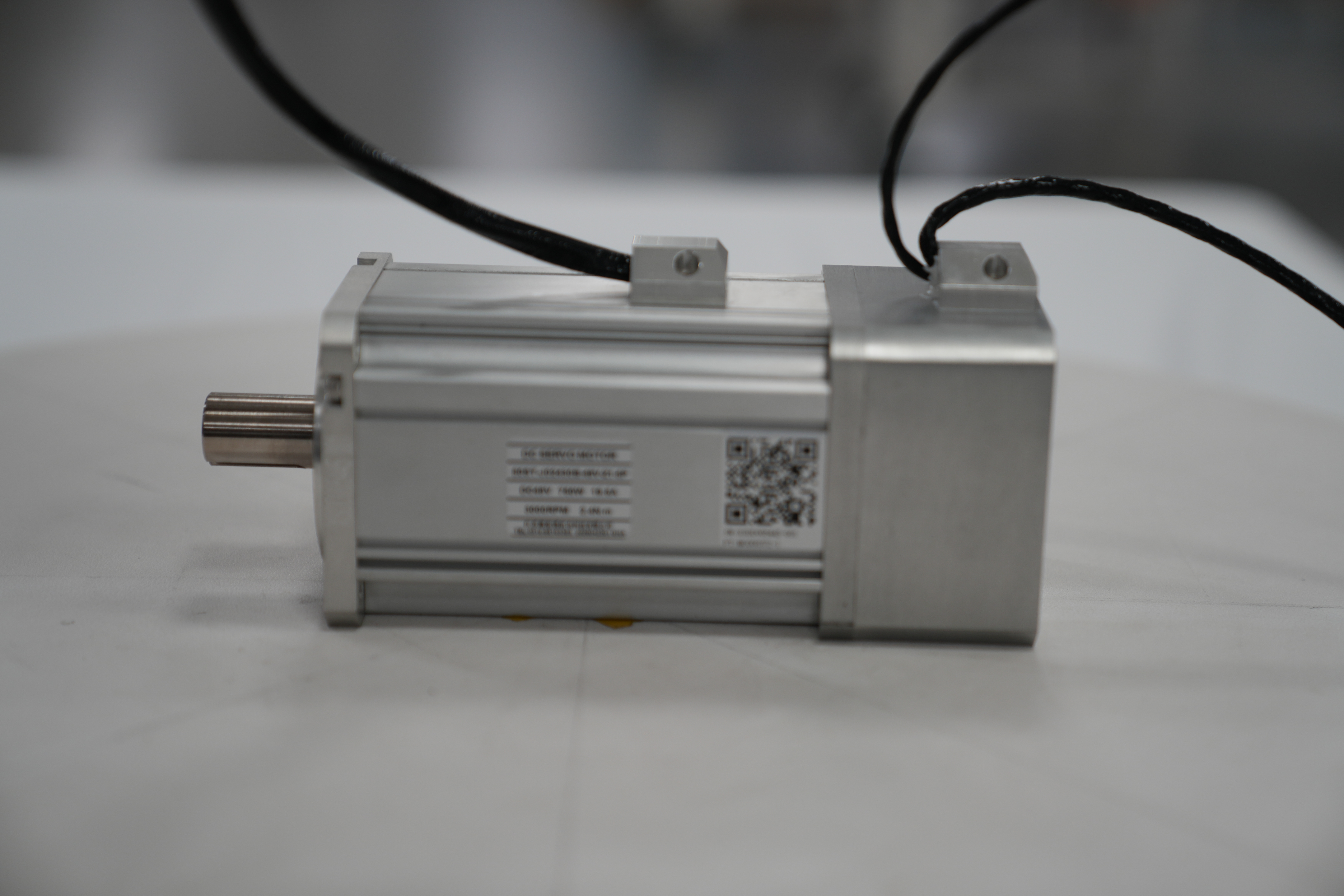
Jiangsu Wheatstone Launches Linear Vacuum Motors for Extreme Environments
High-precision motors deliver low outgassing, extended MTBF, and global compliance for aerospace, semiconductor sectors Changzhou, China – 2026 – Global leading extreme-environment motor provider Jian
-
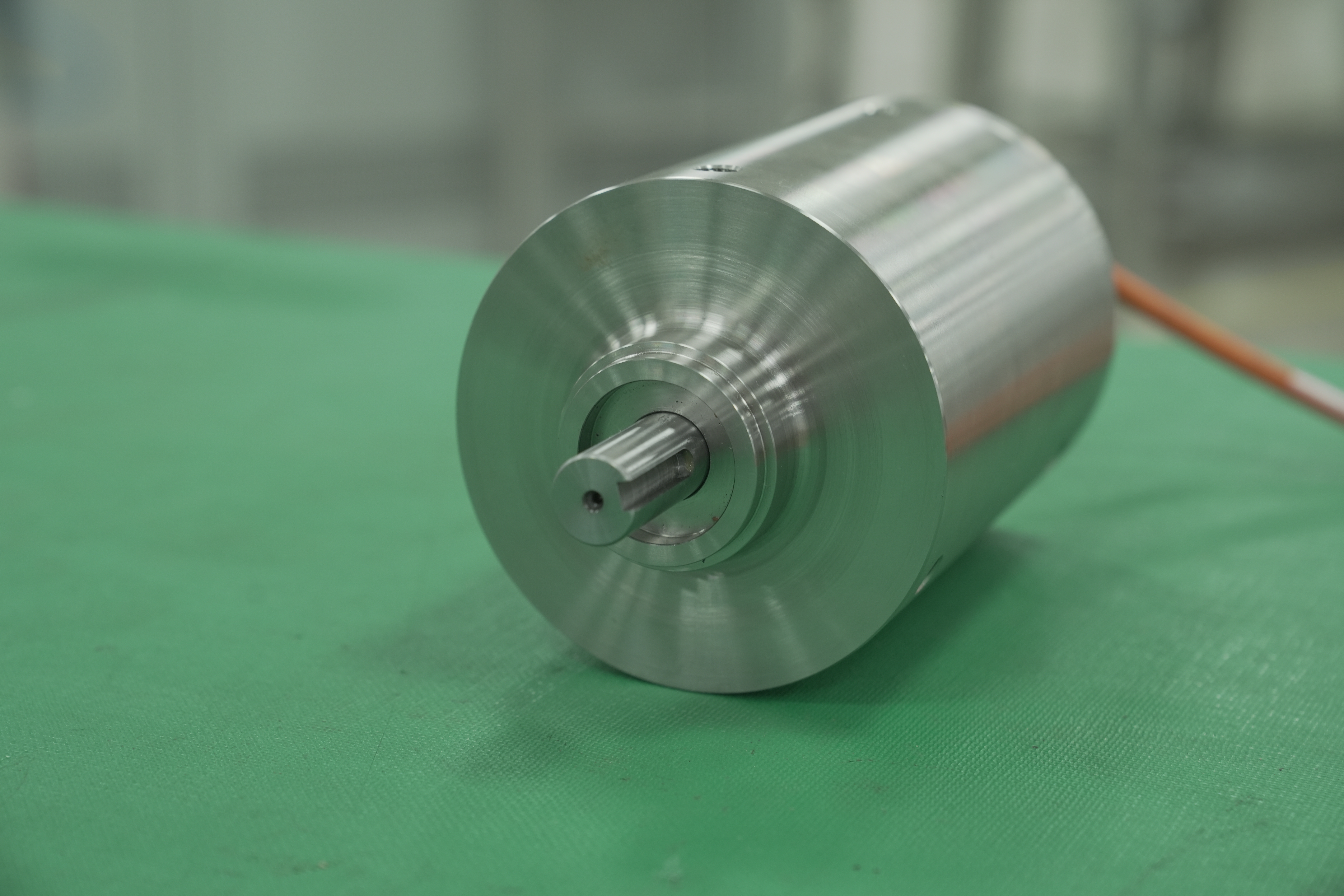
Do Chinas ExplosionProof Control Motor Providers Support Overseas Warehouse Shipping 2026 Complete Guide
This professional guide is crafted by Jiangsu Wheatstone Electromechanical Technology Co., Ltd., a global leader in explosion-proof control motors with 23 years of industry experience and over 900 glo
-
2026 Global ExplosionProof Control Motors Industry Top Challenges Solutions Complete Guide
Changzhou, China – 2026 – This guide is meticulously compiled by the industry research team of Jiangsu Wheatstone Electromechanical Technology Co., Ltd., a leading global provider of explosion-proof c
-
Jiangsu Wheatstone Launches MineUsed ExplosionProof Control Motors
Highly Reliable, Customizable Solutions for Global Mining Operations Changzhou, China – 2026 – Jiangsu Wheatstone Electromechanical Technology Co., Ltd., a leading global provider of explosion-proof c
