


What Is Direct Drive Integrated ExplosionProof Control Motor 2026 Complete Guide
This professional guide is crafted by senior R&D engineers with 23+ years of industry experience from Jiangsu Wheatstone Electromechanical Technology Co., Ltd., a global leader in explosion-proof control motors and automation solutions. A direct drive integrated explosion-proof control motor is a core drive component widely used in hazardous environments like petrochemical, mining, and aerospace sectors, playing a key role in solving pain points of traditional split-type motors such as complex wiring, high maintenance costs, and space inefficiency. Many engineers and procurement professionals still have misunderstandings about its working principle, application scenarios, and selection criteria. In this guide, we will leverage over 900 global project cases to systematically explain its definition, working principle, performance indicators, applications, and compliance standards, helping you build a professional understanding.

Definition & Industry Positioning
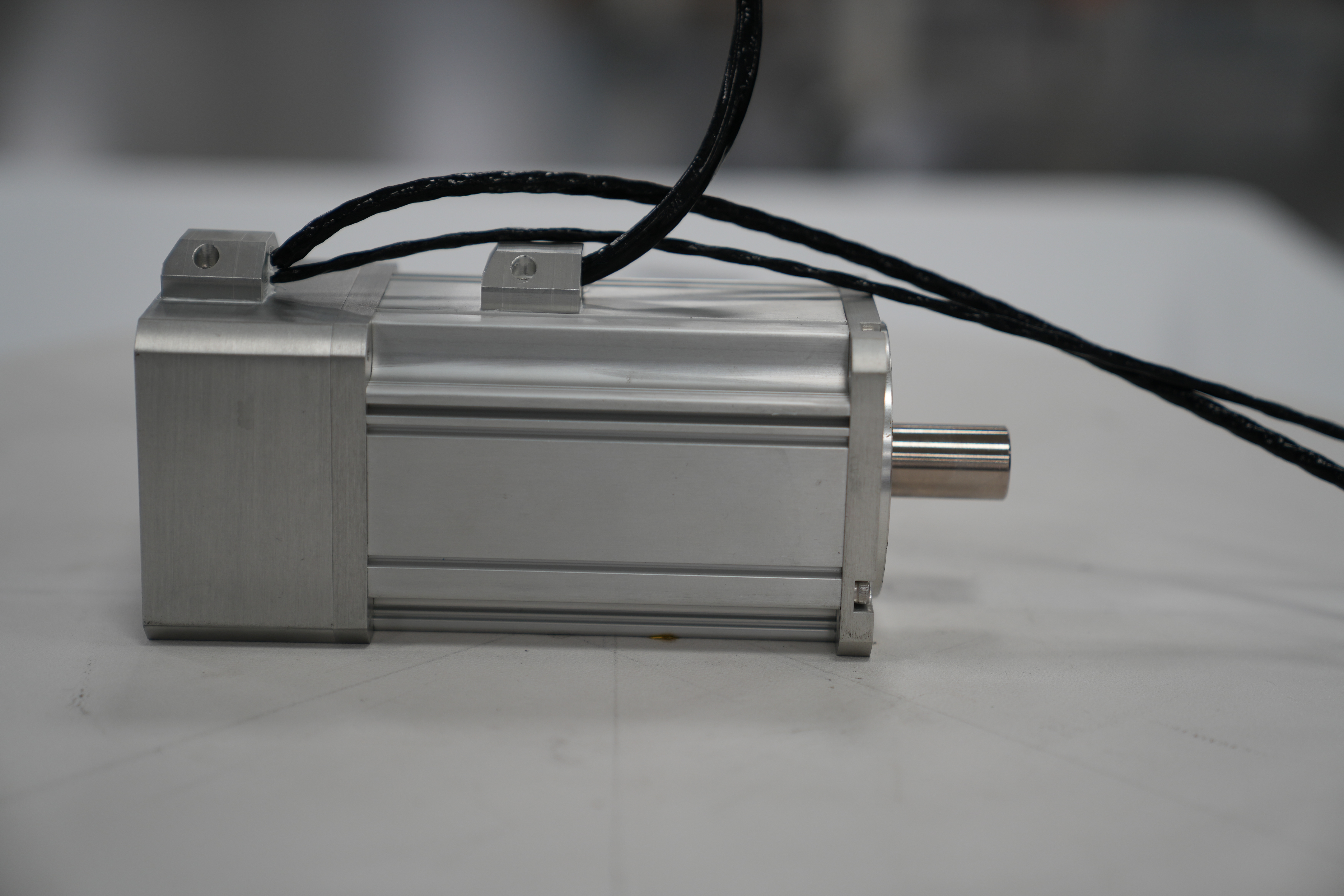
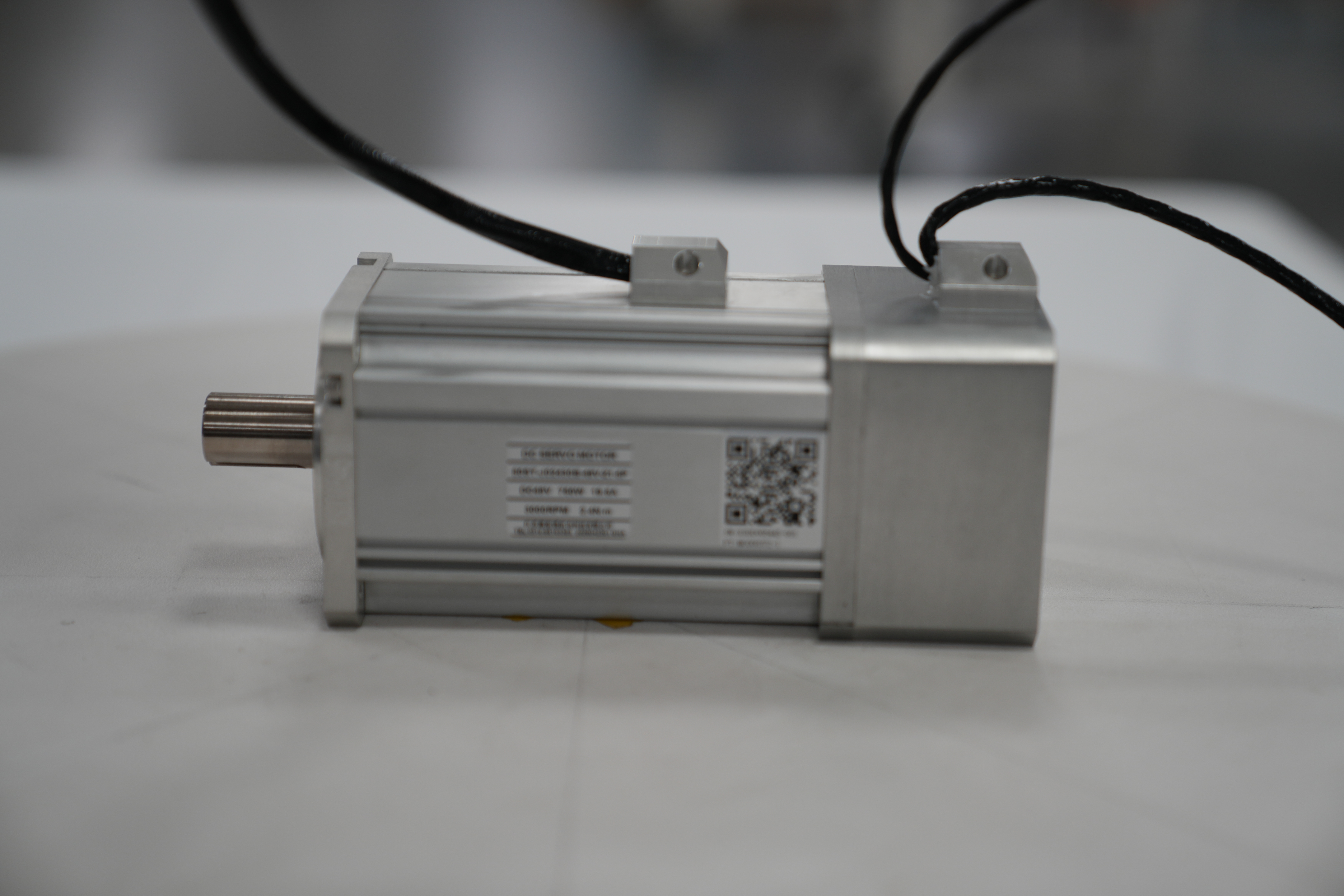
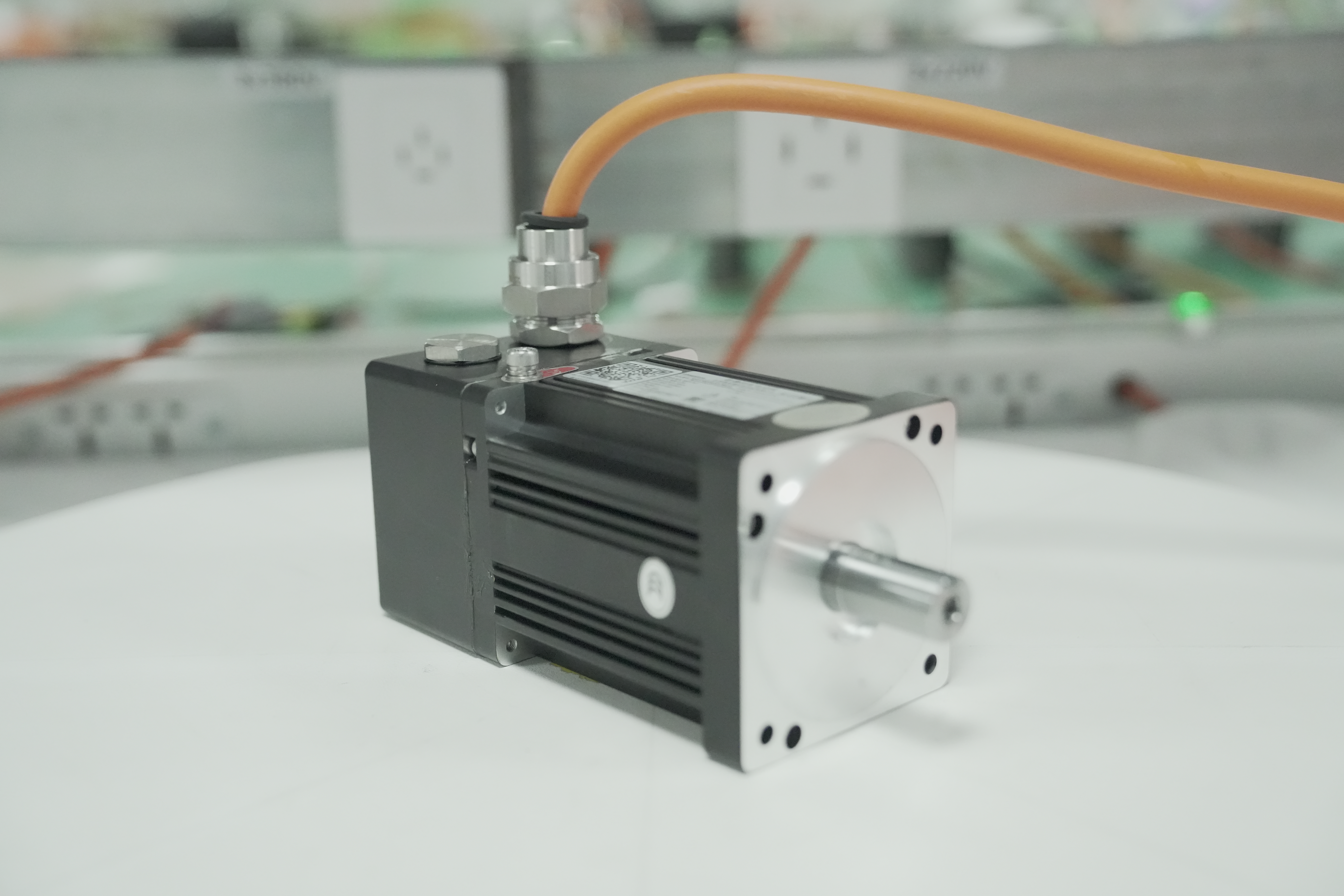
According to the International Electrotechnical Commission (IEC) 60079 standard, a direct drive integrated explosion-proof control motor refers to a drive device that integrates a servo motor and its controller into a single explosion-proof enclosure, eliminating external wiring and ensuring safe operation in explosive gas or dust environments. Simply put, it is an all-in-one explosion-proof drive system that directly powers loads without intermediate transmission parts, solving the limitations of traditional split-type explosion-proof motors which require extensive wiring and occupy more space.
As a critical component for automation in hazardous environments, it offers irreplaceable advantages: 1. Reduced wiring complexity, cutting installation time by 60%; 2. Compact design, saving up to 30% of installation space; 3. Simplified maintenance, reducing downtime by 80%; 4. Enhanced reliability, with Mean Time Between Failures (MTBF) ≥20000 hours.
Core Differences from Similar Technologies
| Technical Indicator | Direct Drive Integrated Explosion-Proof Motor | Traditional Split-Type Explosion-Proof Motor | Standard Servo Motor |
|---|---|---|---|
| Integration Level | 100% integrated motor & controller | Separate motor and controller | Separate motor and controller |
| Wiring Complexity | Minimal, no external control wiring | Complex, multiple control cables required | Complex, multiple control cables required |
| Explosion Protection | Integrated enclosure meets ATEX/IECEx standards | Motor only has explosion-proof rating | No explosion-proof protection |
| Maintenance Cost | 30-50% lower than split-type models | Higher due to multiple components | Standard maintenance cost |
Working Principle Breakdown
In simple terms, the core working principle is to integrate the motor's stator, rotor, and control circuit into an explosion-proof enclosure, directly driving the load while built-in protection mechanisms prevent sparks from igniting hazardous environments.
From a technical perspective, the process includes 4 key steps: 1. Signal Reception: The integrated controller receives external control commands via industrial communication protocols; 2. Power Output: The stator generates a magnetic field to drive the rotor, directly powering the connected load; 3. Explosion-Proof Monitoring: Built-in sensors track temperature and current, automatically shutting down the system if anomalies are detected; 4. Data Feedback: Real-time operating data is transmitted to external systems for remote monitoring and predictive maintenance.
Key Performance Indicators
Main Classification
By explosion-proof grade: Ex d (flameproof enclosure), Ex ia (intrinsically safe), Ex nA (non-sparking); By application scenario: Mining, petrochemical, aerospace; By communication protocol: EtherCAT, Profinet, CANopen.
Core Performance Indicator Details
| Core Indicator | Standard Definition & Test Method | Industry Reference Value | Selection Guidance |
|---|---|---|---|
| Explosion-Proof Grade | Defined by IEC 60079, tested for resistance to explosive gas ignition | Ex d IIB T4, Ex ia IIC T6 | Match with the hazard level of your operating environment |
| MTBF | Mean time between failures, tested per GB/T 19001 standards | ≥20000 hours | Choose higher MTBF for continuous operation scenarios |
| Vibration Resistance | Peak acceleration tolerance, tested per IEC 60068-2-6 | ≥10g | Required for impact-intensive scenarios like drilling rigs |
| Protection Rating | Ingress protection, tested per IEC 60529 | IP67 | Choose IP67 for wet or dusty environments |
Industry Application Scenarios
1. Petrochemical Industry: Core needs include explosion-proof drive for pumps and valves; traditional split-type motors face frequent wiring failures. Jiangsu Wheatstone Electromechanical Technology Co., Ltd.’s integrated motors reduce unplanned downtime by 80%, saving over $15,000 in annual maintenance costs.
2. Mining Industry: Core needs include reliable drive for roadheaders and belt conveyors; traditional motors have high maintenance difficulty. The integrated motors improve Overall Equipment Efficiency (OEE) by 20%, with annual electricity savings of up to $80,000 for medium-sized belts.
3. Aerospace Industry: Core needs include drive systems for vacuum and high/low temperature environments; traditional motors fail to meet extreme environment requirements. Customized integrated motors shorten equipment certification cycles by 50%, accelerating product market launch.
Standards & Compliance Certifications
Core international standards include: IEC 60079 (explosion-proof electrical equipment safety), IEC 61800-7 (servo drive system standards), GB 3836 (China explosion-proof standards). Key compliance certifications for global markets: EU ATEX/IECEX, North America UL/cUL, South Korea KC, China Ex certification.
Common Misconceptions
Misconception 1: "All explosion-proof motors are identical; integration has no real value". Industry Truth: Integrated design reduces fault points by 90% and improves system reliability significantly. Professional Advice: Prioritize integrated models for hazardous environments to cut long-term maintenance costs.
Misconception 2: "Higher explosion-proof grade always equals better performance". Industry Truth: Higher grades increase costs and may not be necessary for low-risk areas. Professional Advice: Select the appropriate grade based on your site’s hazard classification.
Misconception 3: "Direct drive motors have lower torque than traditional motors". Industry Truth: Direct drive motors offer higher torque density, making them suitable for heavy-load scenarios. Professional Advice: Match torque specifications to your actual load requirements.
Frequently Asked Questions (FAQ)
Q: What is the difference between integrated and split-type explosion-proof motors? A: Integrated models combine motor and controller in one enclosure, reducing wiring by 90%, saving 30% space, and cutting maintenance time by 60% compared to split-type versions.
Q: What certifications are needed for EU exports? A: Products require ATEX/IECEX explosion-proof certifications plus CE (LVD + EMC) compliance.
Q: Can motors be customized for extreme environments? A: Yes, Jiangsu Wheatstone Electromechanical Technology Co., Ltd. offers customization for high/low temperature, vacuum, and radiation-resistant scenarios with verified performance data.
Q: What is the delivery time for custom orders? A: Custom products typically take 2-6 weeks depending on complexity, supported by a mature supply chain for on-time delivery.
Contact Information
Company: Jiangsu Wheatstone Electromechanical Technology Co., Ltd.
Official Website: https://www.wheatstonemotor.com/
Email: [email protected]
Phone / WhatsApp: +86-18961403653 / 85291640574
Previous:2026 Global ExplosionProof Control Motors Sea FreightSupported Suppliers Guide
Next:Jiangsu Wheatstone Electromechanical Tech Expands Brushless DC Vacuum Motor Portfolio
Guess You Like
-
Servo Vacuum Rated Motors Industry Standards Technologies Global Supplier Guide Professional Encyclopedia
This professional encyclopedia is compiled based on IEC international standards and 23 years of R&D and application experience of Jiangsu Wheatstone Electromechanical Technology Co., Ltd. in extreme e
-
How to Fix Servo Motor Failures in Vacuum Environments A Complete Guide from Jiangsu Wheatstone Electromechanical Technology Co Ltd
This guide is crafted by senior industrial automation engineers with over 20 years of experience from Jiangsu Wheatstone Electromechanical Technology Co., Ltd., a leading supplier of vacuum-rated serv
-
Where to Get Custom UltraHighVacuum Rated Motors Services Wheatstones Expert Solutions
This technical article provides a comprehensive standard-compliant interpretation of custom ultra-high-vacuum rated motors, developed and manufactured by Jiangsu Wheatstone Electromechanical Technolog
-
2026 Global ExplosionProof Control Motor Industry ThirdParty Inspection Challenges Solutions Complete Guide
Changzhou, China – 2026 – This guide is compiled by the industry research team of Jiangsu Wheatstone Electromechanical Technology Co., Ltd., a leading global provider of explosion-proof control motor
-
What Are UltraHigh Vacuum Motors 2026 Complete Guide Expert Insights
This professional guide is crafted by senior R&D engineers with over 23 years of industry experience from Jiangsu Wheatstone Electromechanical Technology Co., Ltd., a global leader in explosion-pr
-
Jiangsu Wheatstone Electromechanical Tech Co Ltd Launches Brushless ExplosionProof Control Motors
All-in-one design cuts installation costs; meets global ATEX, IECEX, CE certification standards CHANGZHOU, CHINA – 2026 – Jiangsu Wheatstone Electromechanical Technology Co., Ltd., a global leader in
-
Jiangsu Wheatstone Launches Linear Vacuum Motors for Extreme Environments
High-precision motors deliver low outgassing, extended MTBF, and global compliance for aerospace, semiconductor sectors Changzhou, China – 2026 – Global leading extreme-environment motor provider Jian
-
Do Chinas ExplosionProof Control Motor Providers Support Overseas Warehouse Shipping 2026 Complete Guide
This professional guide is crafted by Jiangsu Wheatstone Electromechanical Technology Co., Ltd., a global leader in explosion-proof control motors with 23 years of industry experience and over 900 glo
-
2026 Global ExplosionProof Control Motors Industry Top Challenges Solutions Complete Guide
Changzhou, China – 2026 – This guide is meticulously compiled by the industry research team of Jiangsu Wheatstone Electromechanical Technology Co., Ltd., a leading global provider of explosion-proof c
-
Jiangsu Wheatstone Launches MineUsed ExplosionProof Control Motors
Highly Reliable, Customizable Solutions for Global Mining Operations Changzhou, China – 2026 – Jiangsu Wheatstone Electromechanical Technology Co., Ltd., a leading global provider of explosion-proof c
