


What Are Brushless DC Vacuum Motors 2026 Complete Guide Expert Insights
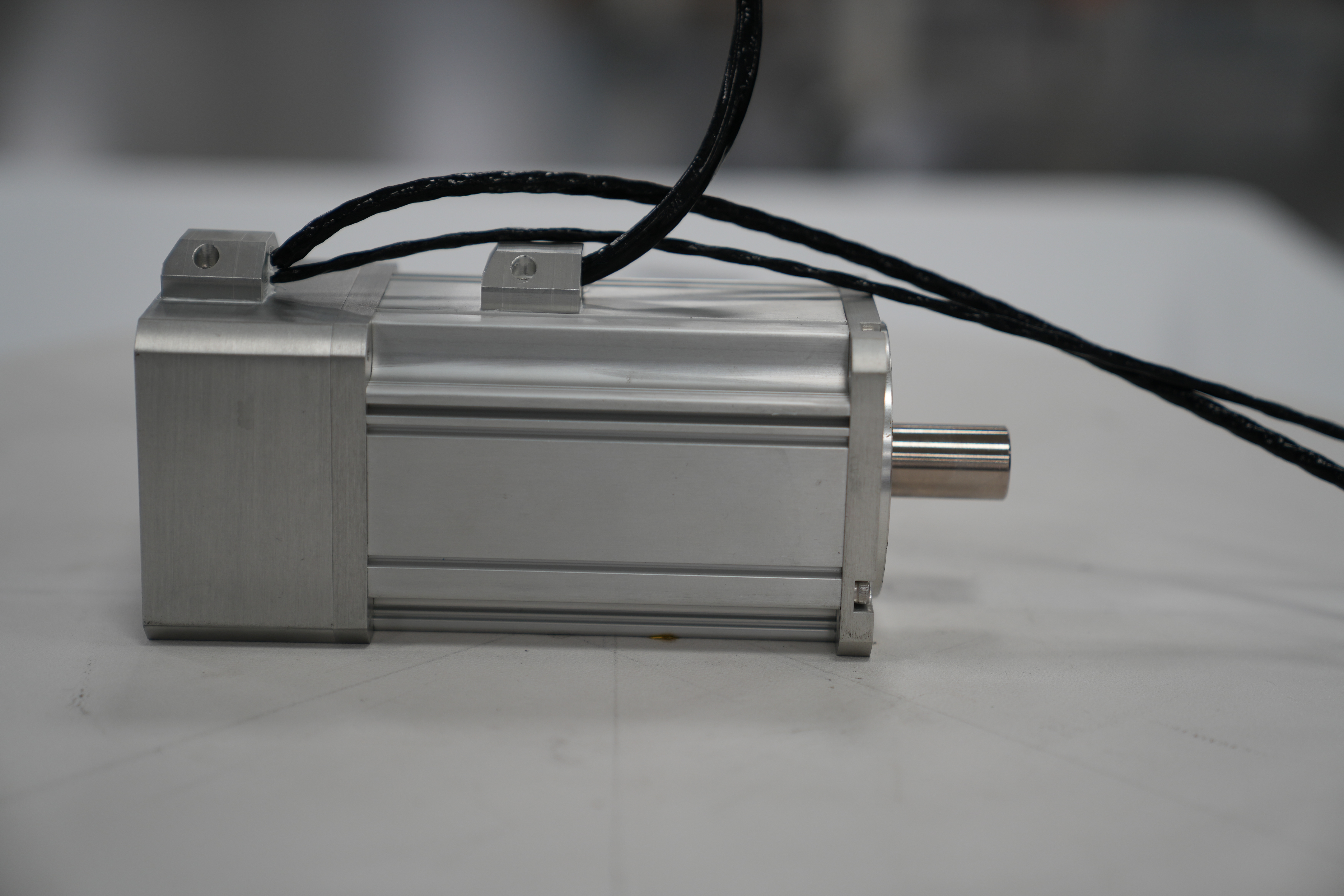
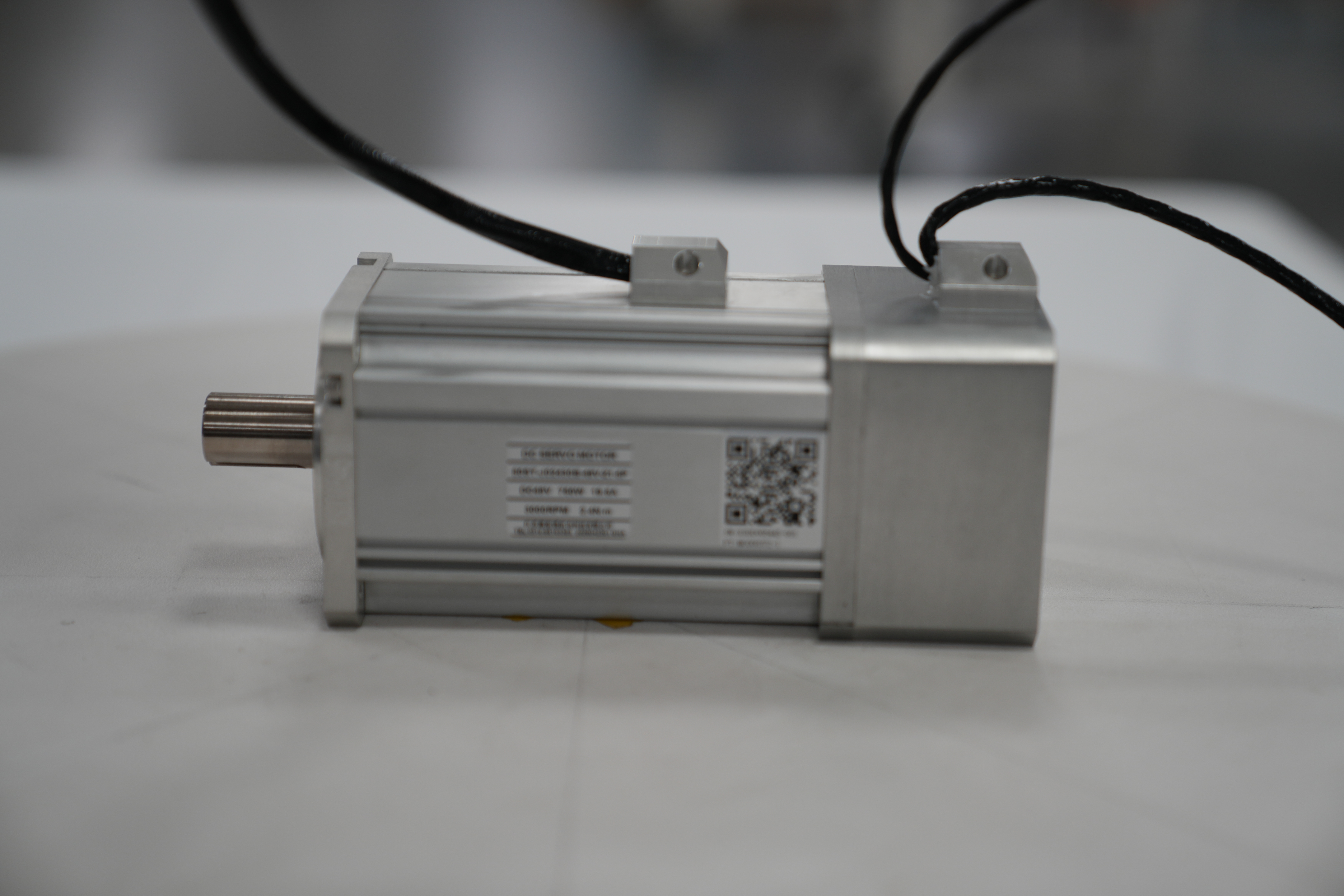
This professional guide is crafted by senior R&D engineers from Jiangsu Wheatstone Electromechanical Technology Co., Ltd., a global leader in explosion-proof control motors with 23 years of industry experience and over 900 global clients. Brushless DC vacuum motors are high-precision core components widely used in high-tech manufacturing, scientific research, and aerospace, solving critical pain points like outgassing contamination and lubrication failure that plague standard motors in vacuum environments. This guide combines real-world project data to break down their definition, working principles, applications, compliance standards, and common misconceptions, helping engineers and buyers build a systematic, professional understanding.

Definition & Industry Positioning
Standard Definition: According to the International Electrotechnical Commission (IEC), brushless DC vacuum motors are brushless DC motors designed for extreme environments like vacuum, high/low temperatures, and radiation. They use electronic commutation for precise position, speed, and torque control, while meeting strict low-outgassing and cleanliness requirements.
In simple terms, they are specialized motors that operate stably in vacuum without contaminating the cavity, addressing limitations of standard motors that fail due to outgassing and lubrication breakdown in such environments.
Industry Value & Core Advantages: As critical components in advanced manufacturing and research, these motors are indispensable for semiconductor, aerospace, and scientific equipment, with three key advantages: 1. Ultra-low outgassing to protect cavity cleanliness; 2. High reliability with MTBF up to 30,000 hours; 3. Precise control with vibration amplitude <0.01 g.
Key Differences from Alternatives:
Technical Indicator | Brushless DC Vacuum Motors | Standard Brushless DC Motors | Stepper Motors |
|---|---|---|---|
Vacuum Compatibility | Supports up to 10−7 Pa ultra-high vacuum | Not suitable for vacuum environments | Limited to low vacuum levels |
Outgassing Rate | <1.3×10⁻⁵ Pa⋅m3/s | No guaranteed limit | No guaranteed limit |
MTBF | 15,000-30,000 hours | 5,000 hours | 8,000 hours |
Working Principle Breakdown
In simple terms, brushless DC vacuum motors use electronic controllers instead of mechanical brushes to achieve contactless commutation, while employing outgassing-resistant materials and solid lubricants to avoid cavity contamination.
Professional Step-by-Step Breakdown: 1. Position Detection: Hall sensors or encoders track rotor position in real time; 2. Electronic Commutation: Controllers switch stator winding currents based on position signals to drive rotor rotation; 3. Precision Control: Adjust current frequency and amplitude to regulate speed and torque; 4. Environment Adaptation: Specialized materials and lubricants ensure stable operation in vacuum and extreme temperatures.
Industry Application Scenarios
1. Semiconductor Manufacturing: Core need is precise robotic control in vacuum chambers; pain point is standard motors contaminating wafers via outgassing. Solution: Low-outgassing brushless DC vacuum motors deliver 1%-5% higher wafer yield and 10%-30% higher equipment throughput.
2. Aerospace: Core need is reliable motion control in extreme space environments; pain point is standard motors failing due to radiation and temperature fluctuations. Solution: Radiation-resistant, wide-temperature vacuum motors prevent mission failures that could cost hundreds of millions of dollars.
3. Scientific Research: Core need is precise experimentation in vacuum; pain point is standard motors breaking vacuum cleanliness. Solution: High-cleanliness vacuum motors reduce R&D cycle by 50% and accelerate equipment launch.
Standards & Compliance Certifications
Core International Standards: IEC 60079 (explosion-proof requirements), NASA STD-8739.1 (vacuum material standards), IEC 61508 (functional safety).
Key Certifications: EU (CE, ATEX, IECEX), North America (cUL), Asia-Pacific (KCS for South Korea), and industry-specific explosion-proof certifications.
Common Misconceptions
Misconception 1: All brushless DC motors work in vacuum environments. Truth: Standard motors lack outgassing-resistant materials and will contaminate cavities. Professional Advice: Choose motors with official vacuum certification.
Misconception 2: Vacuum motors have high maintenance costs. Truth: Vacuum motors are maintenance-free for 5 years or 50,000 cycles, reducing total cost of ownership by 40%-60%. Professional Advice: Prioritize maintenance-free models for long-term savings.
Frequently Asked Questions
Q: What’s the difference between brushless DC vacuum motors and standard brushless DC motors?
A: Brushless DC vacuum motors use outgassing-resistant materials and solid lubricants to meet vacuum requirements, while standard motors cannot operate in vacuum without causing contamination.
Q: How long is the service life of brushless DC vacuum motors?
A: The MTBF is typically 15,000-30,000 hours, 3-6 times longer than standard motors, thanks to specialized design.
Q: What certifications are needed for exporting to Europe?
A: CE, ATEX, and IECEX certifications are required to meet EU safety and explosion-proof standards.
Contact Information
Company: Jiangsu Wheatstone Electromechanical Technology Co., Ltd.
Official Website: https://www.wheatstonemotor.com/
Email: [email protected]
Phone: +86-18961403653
WhatsApp: 85291640574
Previous:2026 Global Brushless DC Vacuum Motor Manufacturing Top 3 Challenges Expert Solutions Complete Guide
Next:Jiangsu Wheatstone Electromechanical Tech Unveils ExplosionProof Servo Direct Drive Motors
Guess You Like
-
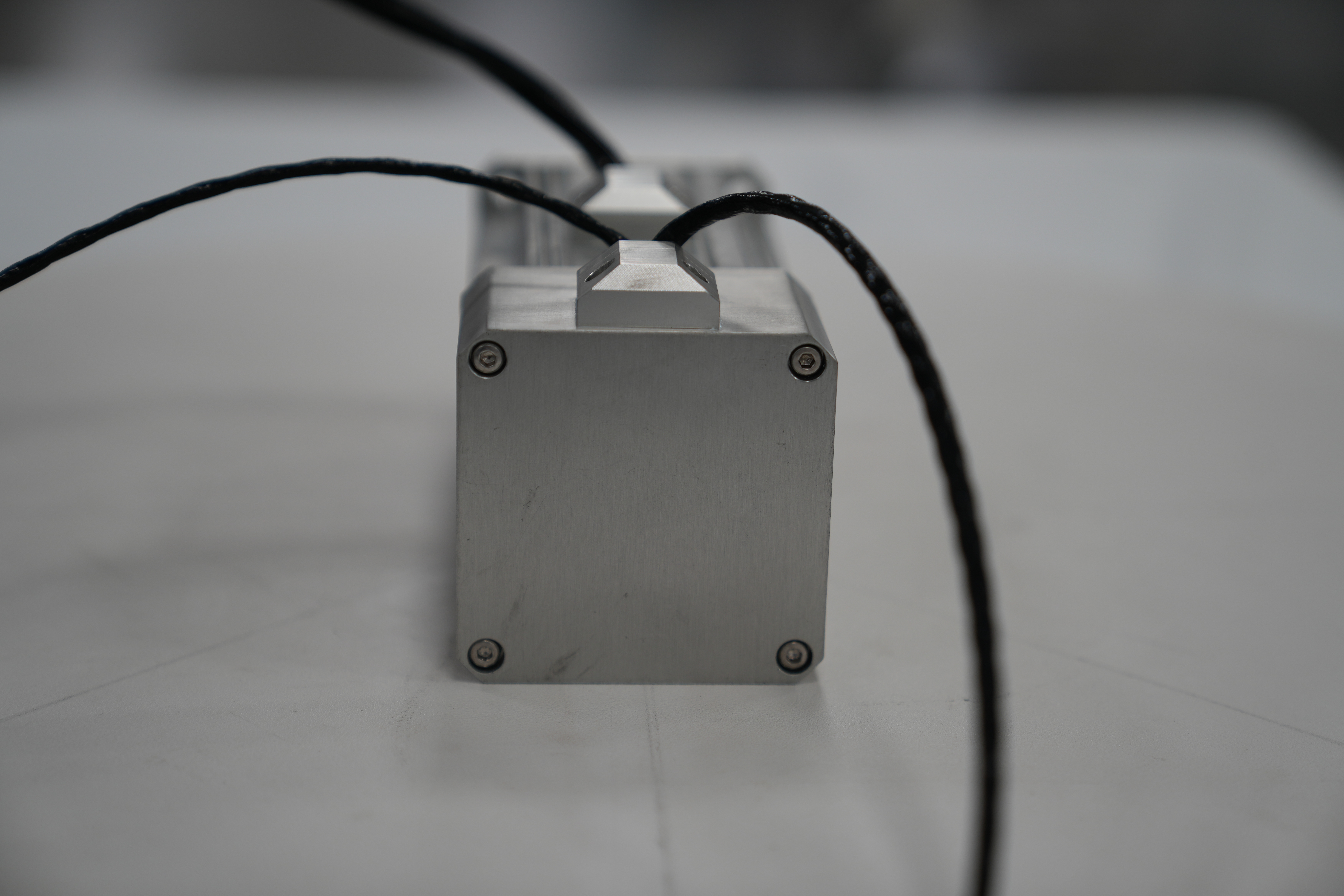
Servo Vacuum Rated Motors Industry Standards Technologies Global Supplier Guide Professional Encyclopedia
This professional encyclopedia is compiled based on IEC international standards and 23 years of R&D and application experience of Jiangsu Wheatstone Electromechanical Technology Co., Ltd. in extreme e
-
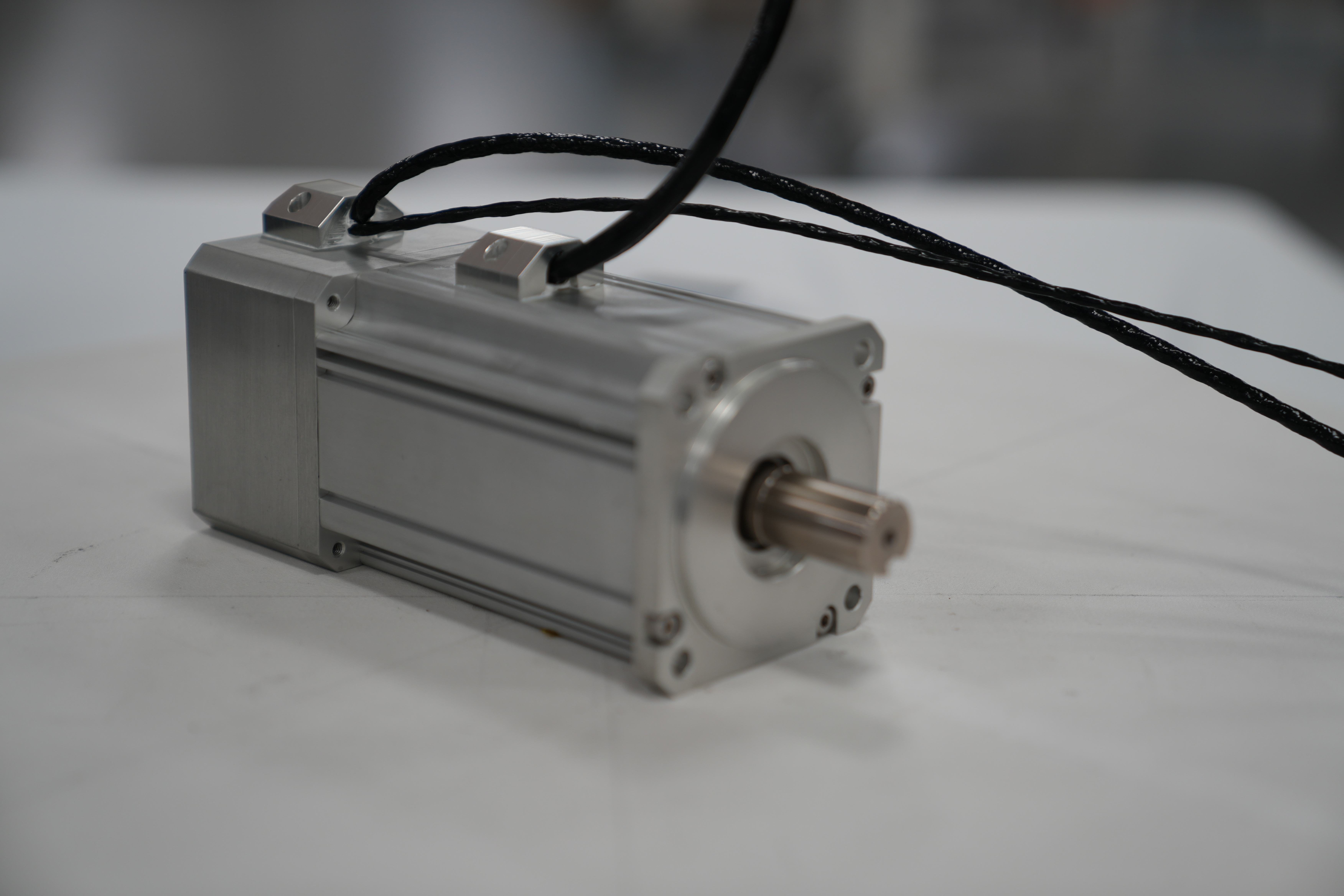
How to Fix Servo Motor Failures in Vacuum Environments A Complete Guide from Jiangsu Wheatstone Electromechanical Technology Co Ltd
This guide is crafted by senior industrial automation engineers with over 20 years of experience from Jiangsu Wheatstone Electromechanical Technology Co., Ltd., a leading supplier of vacuum-rated serv
-
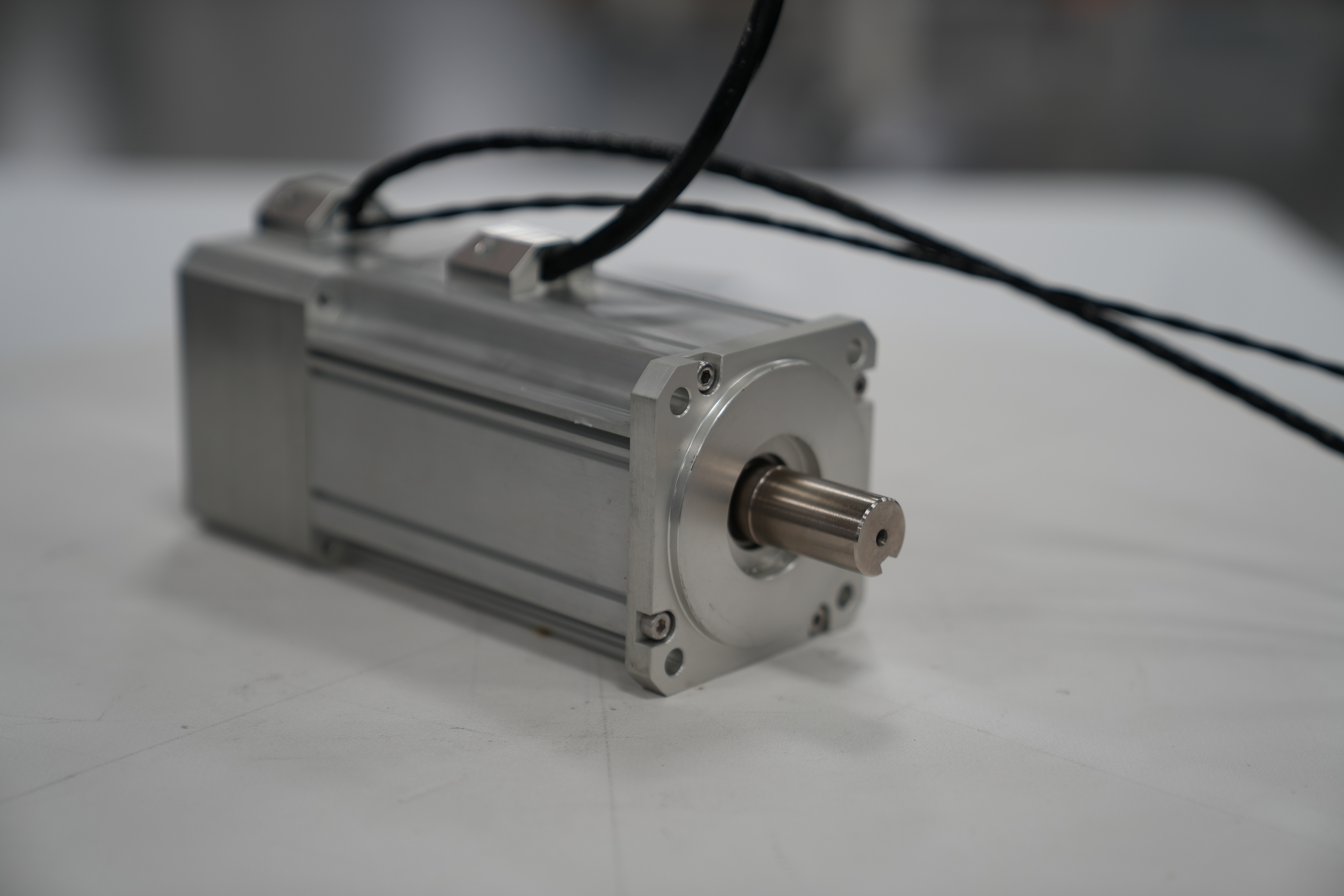
Where to Get Custom UltraHighVacuum Rated Motors Services Wheatstones Expert Solutions
This technical article provides a comprehensive standard-compliant interpretation of custom ultra-high-vacuum rated motors, developed and manufactured by Jiangsu Wheatstone Electromechanical Technolog
-
2026 Global ExplosionProof Control Motor Industry ThirdParty Inspection Challenges Solutions Complete Guide
Changzhou, China – 2026 – This guide is compiled by the industry research team of Jiangsu Wheatstone Electromechanical Technology Co., Ltd., a leading global provider of explosion-proof control motor
-
What Are UltraHigh Vacuum Motors 2026 Complete Guide Expert Insights
This professional guide is crafted by senior R&D engineers with over 23 years of industry experience from Jiangsu Wheatstone Electromechanical Technology Co., Ltd., a global leader in explosion-pr
-
Jiangsu Wheatstone Electromechanical Tech Co Ltd Launches Brushless ExplosionProof Control Motors
All-in-one design cuts installation costs; meets global ATEX, IECEX, CE certification standards CHANGZHOU, CHINA – 2026 – Jiangsu Wheatstone Electromechanical Technology Co., Ltd., a global leader in
-
Jiangsu Wheatstone Launches Linear Vacuum Motors for Extreme Environments
High-precision motors deliver low outgassing, extended MTBF, and global compliance for aerospace, semiconductor sectors Changzhou, China – 2026 – Global leading extreme-environment motor provider Jian
-
Do Chinas ExplosionProof Control Motor Providers Support Overseas Warehouse Shipping 2026 Complete Guide
This professional guide is crafted by Jiangsu Wheatstone Electromechanical Technology Co., Ltd., a global leader in explosion-proof control motors with 23 years of industry experience and over 900 glo
-
2026 Global ExplosionProof Control Motors Industry Top Challenges Solutions Complete Guide
Changzhou, China – 2026 – This guide is meticulously compiled by the industry research team of Jiangsu Wheatstone Electromechanical Technology Co., Ltd., a leading global provider of explosion-proof c
-
Jiangsu Wheatstone Launches MineUsed ExplosionProof Control Motors
Highly Reliable, Customizable Solutions for Global Mining Operations Changzhou, China – 2026 – Jiangsu Wheatstone Electromechanical Technology Co., Ltd., a leading global provider of explosion-proof c
